Weighted blankets earned their following for a simple reason: the even, gentle pressure feels calming, and plenty of people say they settle down and fall asleep more easily under one. The catch is heat. A traditional weighted blanket is dense, often wrapped in plush minky fabric, and it sits on you all night. If you already run warm, that can turn a cozy idea into a sweaty one.
The good news is that "cool" weighted blankets are a real category now, not just a marketing word. Here's how to tell the difference and choose one that suits the way you sleep.
Why regular weighted blankets trap heat
Three things work against hot sleepers:
- Insulating fabric. Polyester and minky shells feel soft but hold warmth close to the body.
- Dense fill. Tightly packed glass or plastic beads, plus polyester batting to keep them quiet, add another warm layer.
- Constant contact. Because the blanket drapes over you, there's very little room for air to move between the fabric and your skin.
What makes a weighted blanket sleep cooler
1. Breathable outer fabric
Look for cotton percale, bamboo-derived viscose, Tencel lyocell or a dedicated "cooling" weave. These fibers move moisture away from the skin and let heat escape instead of holding it in. Many cool blankets come with a removable cover, so you can use a breathable cover in summer and swap to something cozier in winter.
2. Knitted or open-weave designs
Chunky knit weighted blankets skip the beads entirely — the weight comes from thick, tightly knitted yarn. The open loops let air pass straight through, which makes them one of the coolest options available.
3. Small, well-stitched pockets
Smaller quilted pockets keep the beads evenly spread so the weight doesn't slide into warm clumps. Even distribution also means you can often pick a slightly lighter blanket and still feel the effect.
4. Glass beads over plastic pellets
Glass microbeads are smaller and denser than plastic pellets, so the blanket can be thinner for the same weight. Thinner usually means cooler and quieter.
Rule of thumb: start around 10% of your body weight, then adjust for comfort. If you sleep hot, it's fine to go a little lighter.
Choosing the right size and weight
A weighted blanket is meant to cover you, not the whole mattress. Choosing a size close to your body — rather than one that hangs over the sides of the bed — keeps the weight on top of you and stops the blanket from sliding off during the night. Most adults land somewhere between 12 and 20 pounds; children should only use a weighted blanket with guidance from a pediatrician.
More ways to sleep cooler under weight
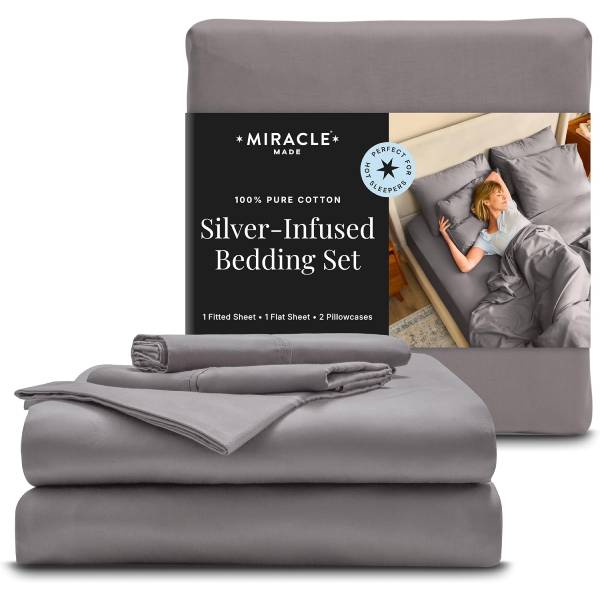
- Pair it with breathable cotton sheets so you aren't layering heat on heat.
- Use the weighted blanket on its own instead of on top of a duvet.
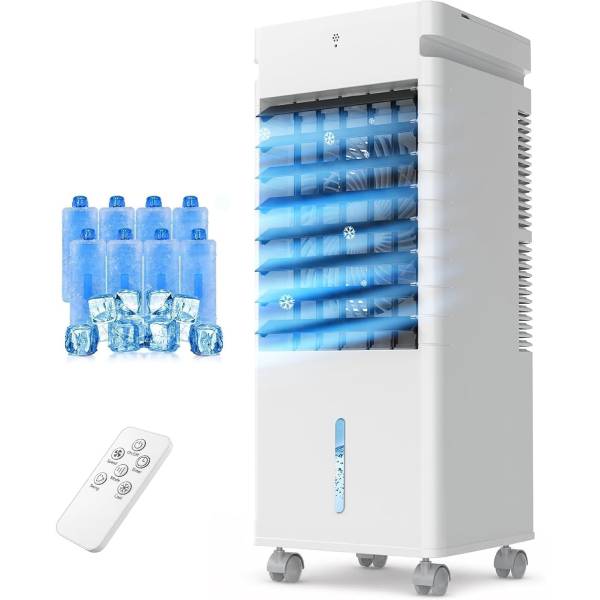
- Keep the bedroom cool — many sleep experts suggest roughly 60–67°F (15–19°C).
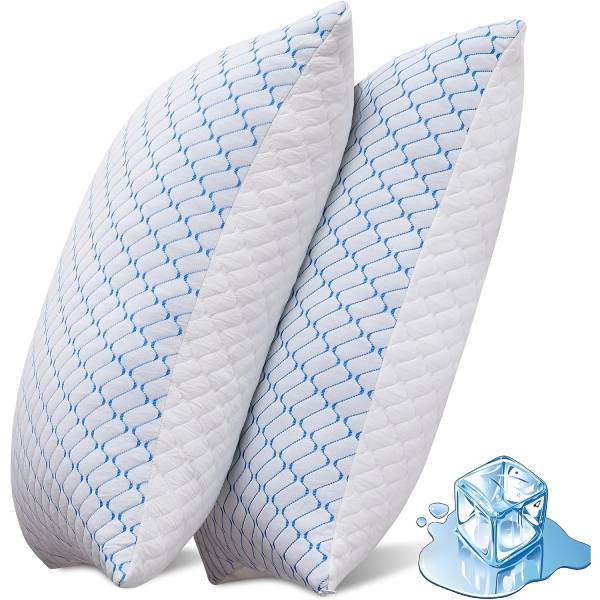
- Choose a cooling pillow so your head and neck stay comfortable too.
Caring for your blanket
Always follow the care label. Removable covers are the easiest to keep fresh — wash the cover often and spot-clean the inner insert. Heavy inserts can strain a home washer, so check whether the manufacturer recommends a large-capacity machine or a laundromat.
A weighted blanket is a comfort product, not a medical treatment. If you have a respiratory, circulatory or sleep condition, check with your doctor before using one.